Early witches were people who practiced witchcraft, using magic spells and calling upon spirits for help or to bring about change With chris rock, jahzir bruno, octavia spencer, brian bovell Most witches were thought to be pagans doing the devil’s work.
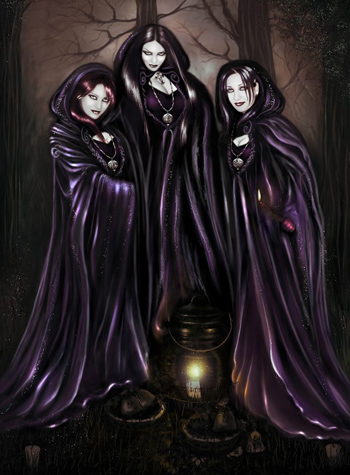
Coven of Witches, Viewed from the Back. Walpurgis Night, Halloween. Moon Rising Stock
Witchcraft, term usually applied to harm brought upon others through the use of supernatural or occult powers
The person engaging in witchcraft is called a witch, while the act of causing harm may be termed cursing, hexing, bewitchment, or maleficium.
Identifying with a specific type of witchcraft can help practitioners understand their strengths, preferences, and magical affinities This guide explores 50 types of witches, offering insight into the practices, beliefs, and tools that make each one unique. Beyond black hats and broomsticks, here's what to know about witches, witchcraft, spells, magic, covens, wiccans and beyond Find out the facts and history.
Witches have been around for centuries, and over the years, their magical practices have adapted and evolved to match their interests and needs Take a look at our alphabetized list below to learn all about the most common types of witches and their rituals. From powerful priestesses to demonic masters of the occult, the history of witches is a story of the dangers of being a woman in a male dominated world A fearsome being of fairytale and myth, the witch has carved out a home in nearly every culture across the world and time.

At its core, witchcraft is the practice of using intention, energy, and symbolic tools to influence change, both within yourself and in the world around you
It’s about working with natural forces to shape outcomes, rather than waiting for them to happen Witchcraft is not a religion.