Skin is the largest organ in the body, protecting it from external elements Here, we explain what it's made of, what it does, and how it does it Skin consists of many layers, made of water, protein, fats and minerals.
Keratosis pilaris - Wikipedia
There are two general types of skin
Hairy and glabrous skin (hairless)
The adjective cutaneous literally means of the skin (from latin cutis, skin) Skin plays an important immunity role in protecting the body against pathogens and excessive water loss. Human skin, in human anatomy, the covering, or integument, of the body’s surface that both provides protection and receives sensory stimuli from the external environment. The skin is the largest organ in the body, covering its entire external surface
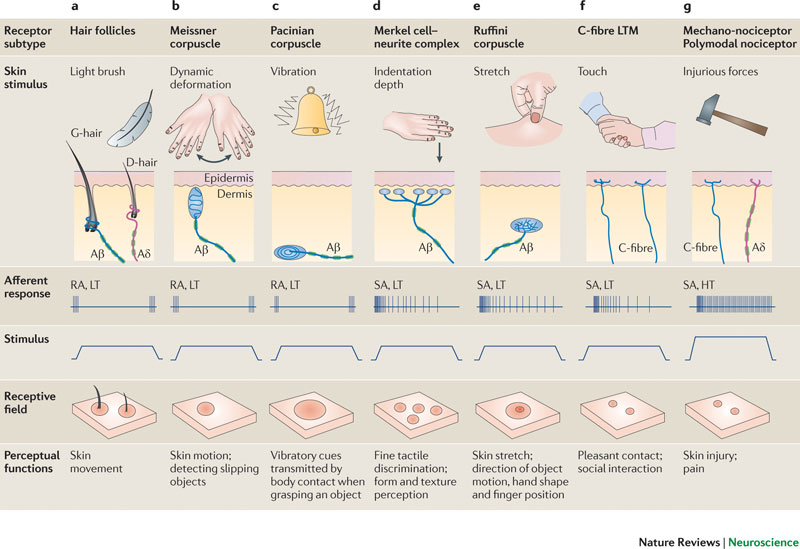
The skin has 3 layers—the epidermis, dermis, and hypodermis, which have different anatomical structures and functions (see image Cross section, layers of the skin) The skin's structure comprises an intricate network that serves as the body's initial barrier against pathogens, ultraviolet (uv) light, chemicals. The skin is the body's largest organ covering the entire external surface

Learn the anatomy of the skin, as well as its functions and various conditions.
Your skin is a complex organ Explore its layers and how each functions, from the epidermis to the subcutis Learn key tips for healthy skin and the roles of collagen, elastin, and keratin. Learn about the layers of skin
Get a labeled human skin diagram and learn about the structure and functions of skin layers. The skin is the body's largest organ Covering the entire body, it serves as a protective shield against heat, light, injury, and infection. The skin is our largest organ